

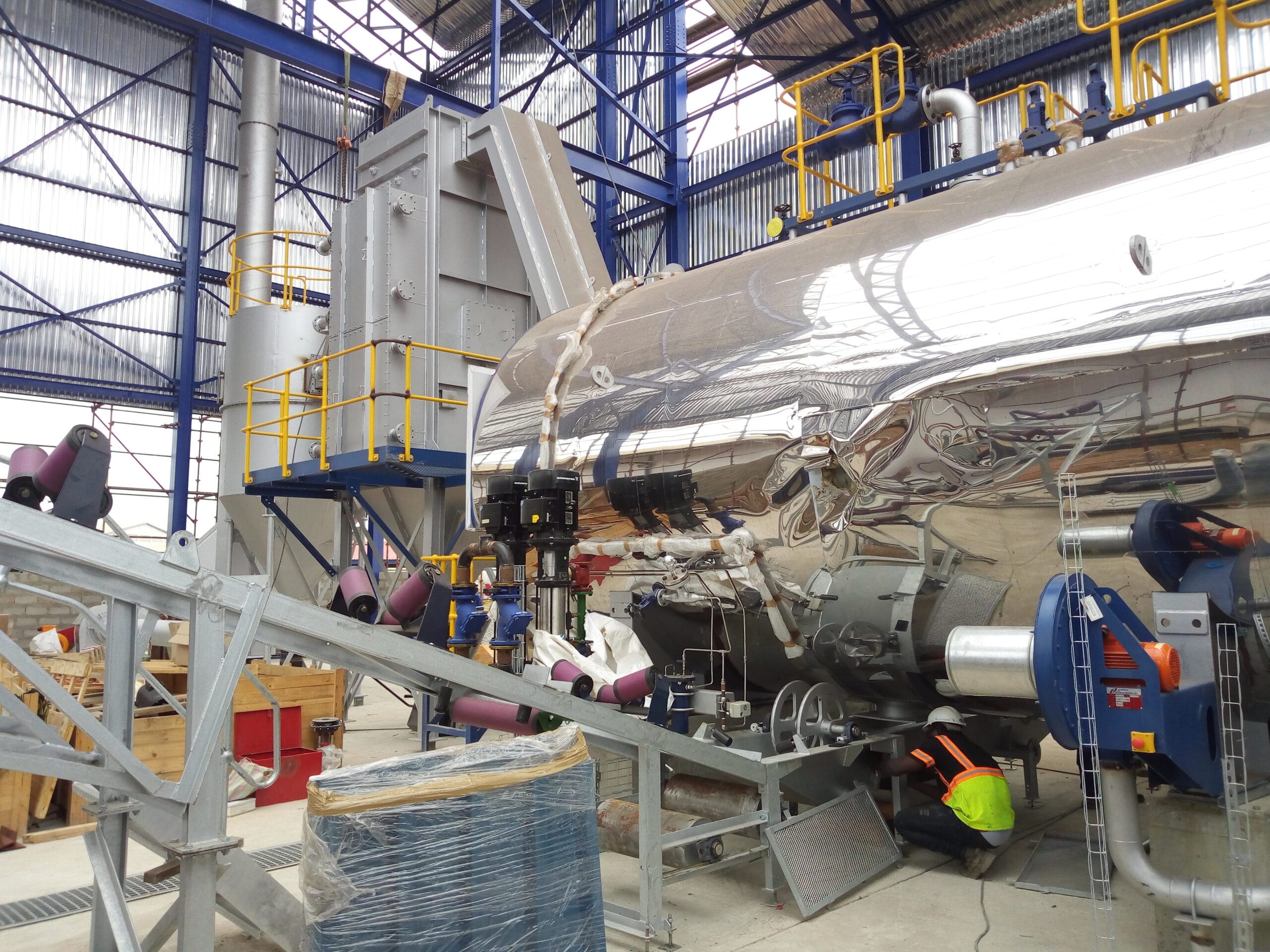
Why is lifecycle planning and precision execution critical for industrial and mechanical system installation? This article explores the structured approach required to deliver safe, efficient, and reliable installations, covering planning, installation, commissioning, maintenance, and eventual upgrades or decommissioning. It highlights how disciplined engineering, regulatory compliance, and technical precision ensure operational excellence and long-term asset performance.
Before undertaking complex industrial installations, consult an experienced engineer to optimise safety, efficiency, and lifecycle value.
The installation of industrial and mechanical systems is a complex, multi-phase process central to operational efficiency, safety, and long-term performance. Success goes beyond placing equipment; it demands strategic planning, cross-disciplinary coordination, and a lifecycle perspective that spans from initial design to end-of-life replacement.
System Lifecycle Overview
Mechanical and industrial systems follow a structured lifecycle that ensures reliability and compliance:
- Planning and Design: Projects begin with defining operational goals, assessing site infrastructure, and selecting systems based on load, energy efficiency, and life cycle cost. Regulatory compliance and permitting are integrated early to prevent delays and ensure safety.
- Installation and Execution: Precision is critical during assembly. Site preparation, multi-trade coordination, and technical installation of mechanical, electrical, and piping systems must adhere to strict safety protocols. Key requirements include machinery alignment, vibration control, and seamless systems integration to prevent wear, reduce downtime, and maintain stability.
- Commissioning and Handover: Systems undergo rigorous testing, including load verification, vibration and thermal monitoring, and safety interlock checks. Staff are trained, documentation provided, and operational responsibility formally transferred.
- Operation and Maintenance: Preventive maintenance programs, performance monitoring, and emergency response protocols sustain operational efficiency and protect investments over the system’s life.
- Upgrades and Decommissioning: Systems may be retrofitted or fully replaced as technology evolves or operational needs change, with responsible decommissioning ensuring regulatory compliance and environmental safety.
Technical Precision and Safety Are Non-Negotiable
Across all phases, adherence to technical and regulatory standards, including OSHA, CCOHS, and EPA guidelines, is essential. Precision alignment, vibration mitigation, and thorough safety procedures are critical for avoiding operational failures, costly repairs, and workplace hazards.
Cormac Engineering Services Ltd: Delivering Industrial Excellence
Cormac Engineering Services Ltd provides comprehensive mechanical, civil, structural, and piping engineering solutions for industrial installations across Africa. Their multidisciplinary approach ensures technical clarity, regulatory compliance, and efficient project execution across greenfield developments, plant expansions, and industrial upgrades.
Highlighted Projects:
- CENPOWER Outfall Chamber Splash Guard: Installation of protective guards to control discharge spray and protect structures.
- Unilever Biomass Boiler & CSP Installation: Precise fabrication and installation supporting efficient energy generation.
- VIVO Energy Lube Tank Farm & Loading Gantry: Safe, efficient fuel handling and transfer systems.
With over a decade of experience, Cormac combines strong local execution with international standards, delivering safe, efficient, and reliable industrial system installations. Their disciplined approach reduces risk, shortens schedules, and ensures predictable outcomes.
Industrial and mechanical system installation is a high-stakes process where lifecycle planning, precision execution, and rigorous safety protocols are indispensable. With experienced partners like Cormac Engineering, facilities can achieve operational excellence, compliance, and long-term asset performance.